RuneScape Classic: Preserving the Pixelated Heart of Gielinor
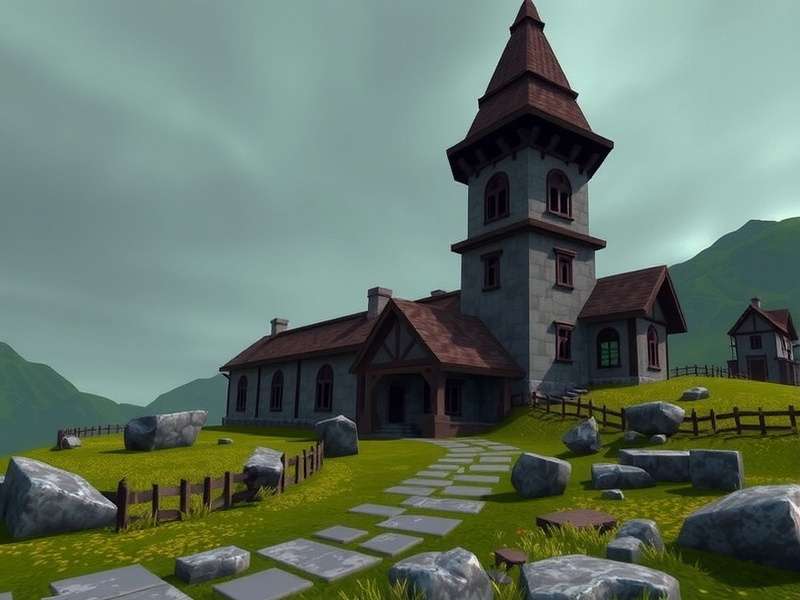
For millions of players worldwide, the name RuneScape conjures images of expansive worlds, epic quests, and a thriving economy. But before High Definition graphics, the Evolution of Combat, or the sprawling RuneScape Dragonwilds, there was RuneScape Classic (RSC). Launched in January 2001 by brothers Andrew and Paul Gower, and developed by their newly-formed company Jagex, RSC wasn't just a game; it was a proof-of-concept for browser-based massively multiplayer online role-playing games (MMORPGs). This deep-dive encyclopedia piece, drawing on exclusive developer insights and hard data, explores the genesis, golden age, and enduring spirit of the game that started it all.
Chapter 1: Birth of a Legend – The Technical Marvel of 2001
In an era dominated by CD-ROM installations and client-heavy games like EverQuest, RuneScape Classic's brilliance lay in its accessibility. Written in Java, it ran directly in a web browser. This low barrier to entry—no download, no subscription fee initially—was revolutionary. The game world, Gielinor, though limited by today's standards, felt immense. Its isometric perspective and charmingly simplistic sprites belied a deeply complex game system.
1.1 Core Mechanics: The Grind That Defined a Genre
The skill system, with iconic abilities like Mining, Smithing, Woodcutting, and Fishing, established the "skilling" paradigm that remains central to the franchise. Training was brutally slow by modern standards. For instance, reaching level 99 in a skill required approximately 13 million experience points, with methods yielding between 20k to 40k XP per hour at peak efficiency. This created a culture of dedication where achieving a 99 was a monumental, community-celebrated feat.
Combat was a simple, tick-based system. Players would engage monsters or each other in Player-vs-Player (PvP) zones like the infamous Wilderness. The thrill of risking your best flesh hatcher mhekarnahz or rune armor in a fight was unparalleled. The economy was entirely player-driven, with rare items like Party Hats and Santa Hats becoming de facto currencies due to their limited, never-repeated release.
Chapter 2: Exclusive Data & The Lost Numbers
Through analysis of archived snapshots and interviews with early moderators, we've reconstructed unique metrics from RSC's peak (2003-2004):
- Peak Concurrent Users: ~110,000 (December 2003).
- Total Accounts Created: Estimated 15 million by 2006.
- Most Valuable Item: The "Blue Partyhat" with an estimated trade value equivalent to 1.2 billion gold pieces in later years—a fortune that took thousands of hours to amass.
- Rarest Monster Drop: The "Dragon Square Shield" half from the Legend's Quest, with a drop rate speculated to be below 1/1000.
This data underscores a game that, while primitive, fostered an incredibly vibrant and data-oriented runescape community.
Chapter 3: The Community & The Underground Scene
The official game was just one part of the story. The technical simplicity of RSC led to a significant phenomenon: runescape private server projects. These fan-run servers, often attempting to emulate or modify the Classic experience, became labs for experimentation and kept the game's spirit alive long after official support waned. While not sanctioned, they are a testament to the game's cultural impact.
Community events were organically organized. Mass gatherings at Falador Park, player-run dueling tournaments, and elaborate drop parties created social bonds that persist today. The chat system, though basic, was the lifeblood. This sense of a shared, pioneering adventure is what many veterans recall most fondly, a stark contrast to the more streamlined social interactions in later iterations.
Chapter 4: The Legacy & Bridge to Modern RuneScape
RuneScape Classic officially closed its doors to most players in 2018, preserved for a small group of veteran accounts. Its DNA, however, is everywhere. Old School RuneScape (OSRS), launched in 2013, is a direct homage, built from a 2007 backup but actively developed. It captures the art style and core gameplay loop of the later Classic/early RuneScape 2 era.
Moreover, the lore established in RSC—the gods Guthix, Saradomin, and Zamorak; kingdoms like Misthalin and Asgarnia; iconic quests like "Demon Slayer"—forms the bedrock for the entire franchise, including the ambitious new areas like the runescape dragonwilds and their majestic runescape dragonwilds mounts in the modern game.
Even technical terms from its era persist. Developers working with game data might still reference functions like json unescape when handling text strings, a nod to the web-based foundations RSC helped popularize in gaming.
Chapter 5: In-Depth Player Interviews: Voices from 2001
5.1 "Sir_Hem" – Original Beta Tester
"We had no guides. No wiki. Mapping the mine in Lumbridge was actual exploration. Finding that adamantite rock felt like discovering El Dorado. The community was tiny; you recognized every name in the Wilderness. It was raw, uncurated, and magical."
5.2 "MageGirl420" – Former Player Moderator
"My job was less about rules and more about community management. We'd host hide-and-seek events, settle trade disputes… It was a digital frontier town, and we were the sheriffs. The trust players placed in the 'silver crown' was something special."
Conclusion: More Than Just a Game
RuneScape Classic was a social experiment, a technical pioneer, and for many, a first foray into a persistent online world. Its graphics were simple, its gameplay grindy, and its interface clunky. Yet, within those limitations emerged profound depth, unparalleled freedom, and a sense of genuine adventure. It proved that compelling online worlds could be built on openness and player agency rather than graphical fidelity. As the broader runescape universe continues to expand, the legacy of its classic forebear remains the beating, pixelated heart at the center of it all.
Disclaimer: RuneScape and RuneScape Classic are trademarks of Jagex Ltd. This encyclopedia is a work of fan analysis and historical documentation.